Physiotherapists live in the slipstream in between feature and feeling. We function to restore movement, yes, however every plan hinges on whether an individual can endure the trip. Discomfort bends position, hinders sleep, misshapes motor control, and can gut an appealing rehab program. That is why formal pain management training, and specifically the nationwide unit PUAEME008 Provide discomfort administration, is entitled to a clear explanation from a physical rehabilitation viewpoint. Several clinicians hear the code, know it connects to prehospital and emergency situation contexts, and ask yourself just how it translates to daily practice. The brief response: it adds a strong, safety-focused layer to your scientific ability, particularly for sharp pain situations, immediate treatment setups, outreach job, and multidisciplinary atmospheres where prompt analgesia and organized assessment matter.
Where PUAEME008 suits the landscape of pain education
Pain management courses been available in several flavors. Some target the biopsychosocial ideologies underpinning consistent discomfort. Others focus on pharmacology and governance, frequently designed for nursing or paramedical personnel. After that there are brief training courses suffering management that focus securely on severe presentations: musculoskeletal trauma, postoperative pain in neighborhood setups, or extreme flare-ups of chronic conditions. PUAEME008 beings in that last group. It is a functional, competency-based unit constructed around the risk-free shipment of temporary analgesia within defined methods, coupled with structured assessment, documents, and escalation.
For physio therapists who deliver treatment in immediate treatment, sporting activities sideline atmospheres, area and rural outreach, or incorporated primary care hubs, the device pairs well with core physio abilities. It does not replace a certificate course suffering management that explores main sensitization or inspirational talking to, and it is not a replacement for a detailed discomfort management certification that extends months. It is a focused credential that enhances acute pain decision-making under medical governance.
What "offer pain management" implies in this context
PUAEME008 Offer pain administration consists of three pillars: assessment, treatment within range, and evaluation with documentation. Analysis is not just a 0 to 10 numeric score. It asks you to collect mechanism, red flags, comorbidities, allergies, and potential medication interactions, then make a decision if instant analgesia is proper or if you need to escalate to medical care. Interventions covered typically focus on authorized, protocol-driven alternatives like inhaled analgesia or dental representatives permitted in your jurisdiction and office plans. The examination item is detailed: reassess discomfort at defined periods, observe for unfavorable effects, and document to ensure that the following clinician obtains a clean handover.
Physiotherapists are generally educated to believe motion first. In the intense setting, movement hinges on pain tolerability and safety and security. With PUAEME008, you are educated to choose, within your scope and regional consent, whether temporary analgesia assists you execute a much safer analysis, decrease distress, and facilitate transportation or referral. The system likewise sharpens your judgment about when not to supply analgesia, such as in thought abdominal emergency situations calling for medical evaluation or in head injury where transformed psychological status clouds the picture.
What the device normally covers
The specifics differ by service provider, yet a strong pain administration course lined up to PUAEME008 shares typical threads: foundational discomfort science, threat screening, pharmacology fundamentals pertinent to frontline treatment, non-pharmacological techniques you can implement quickly, and robust protocols for documentation and handover. The training generally entails simulated situations with time stress and insufficient information, which mirrors real-life problems remarkably well. You can expect skill stations on breathed in analgesia if allowed in your area, sensible opioid safety and security conversations, and acknowledgment of unfavorable responses like hypotension, respiratory system anxiety, or paradoxical agitation.
A well-run program will worry systems believing. Discomfort monitoring training is not just about the medication; it has to do with radios that function, set checks that capture ending cyndrical tubes, and constant auditing that shuts safety and security loops. As a physio therapist, you will identify the parallel to taping tables examined before sport, or thrust examinations standard for inter-rater reliability. PUAEME008 is that way of thinking, related to intense pain.
Why physio therapists benefit
Pain is the rate-limiting consider many physiotherapy paths. Severe side ankle strains, rib contusions, spine flare-ups, sticky capsulitis during severe stages, and post-fracture rigidity all examination the client's limit. In group sporting activities and neighborhood emergencies, you may be the senior clinician on scene. Structured training enables you to support, soothe discomfort safely, and refer with clean documentation. In clinics that sustain post-surgical people, the ability to acknowledge improperly managed pain early, change non-pharmacological actions, and rise or communicate with medical coworkers can stop issues like motion evasion and readmission.

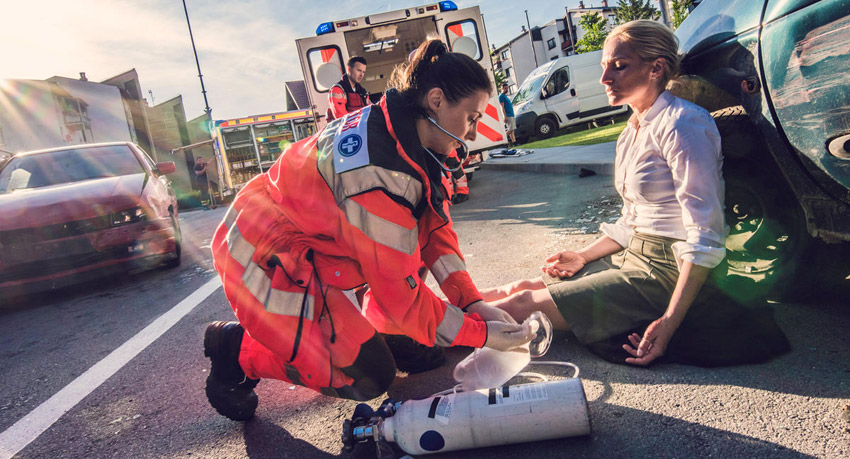
I remember a Saturday morning clinic in a country community, where the closest immediate care was an hour away. A farm worker got here with a believed rib crack after being smashed briefly by an entrance. Without training, the default would certainly have been to paralyze and send him on. With pain monitoring training and appropriate procedures in place, we utilized a short-acting inhaled representative, monitored him closely, and enhanced his ventilation enough to decrease splinting. That made transport safer and his distress workable. The distinction was not heroic medication, it was methods performed properly.
Comparing training course kinds for different clinicians
Physiotherapists frequently share learning areas with registered nurses and paramedics suffering administration training courses. The diversity aids. Registered nurses bring deep medication security experience, while physios add mechanical assessment and movement-focused techniques. The overlap focused in the device enhances interprofessional communication. Discomfort administration training for nurses may lean a lot more on medication handling and management policy. Pain administration training courses for physio therapists typically stress assessment linked to function, supporting positions, and instant activity strategies that reduce nociception. When blended accomplices learn with each other, they converge on a shared language of threat and response, which carries into everyday collaboration.
For those who want more comprehensive depth, a discomfort administration certification program or a longer certificate training course suffering monitoring can check out chronic pain neurobiology, graded direct exposure, cognitive strategies, and case-coordination. Short training courses in pain monitoring, consisting of PUAEME008, fit best when you need to sharpen emergency situation pain administration and severe decision-making.
Scope, consent, and the reality of practice
A key point: PUAEME008 Provide discomfort administration is not a freebie to administer anything you like. Scope stays tied to regulations and company plan. Also within protocol-based authority, you will be led by addition and exclusion criteria, dose ranges, tracking requirements, and compulsory coverage. Prior to you publication, check whether your practice establishing licenses non-medical medical professionals to provide specific agents. Personal facilities might require a standing order or medical administration. Sporting organizations might currently have a plan framework for match-day insurance coverage. Community health services typically have developed drug registers and audit pathways.
The best providers of pain management training courses will inquire about your setting and dressmaker functional components to what you can actually carry out. If you can not administer breathed in analgesia where you work, you can still obtain from innovative evaluation drills, non-pharmacological tools, and rise planning. The certificate you receive need to show the competencies you were analyzed against, not hypothetical permissions.
Core abilities the system sharpens
Pain evaluation relocates past asking exactly how bad it is. With the unit, you discover to triangulate seriousness with impact, pattern, and red flag screens. System overviews suspicion. An inversion injury with a state-of-the-art sprain provides differently to a midfoot injury where you may require to eliminate a Lisfranc injury. Rib pain with crepitus and shallow breathing increases issues regarding pneumonia threat if splinting persists. A clean pain monitoring certificate demonstrates that you can link this reasoning to instant activities, not just chart notes.
You will additionally practice titration and review. Lots of analgesic options work best when you supply the smallest reliable dosage, then reassess without delay. The training course trains you to mark time factors, capture vital indications, and anchor pain changes to useful outcomes like boosted stride or capacity to take a complete breath. That functional lens is where physio therapists excel, and the unit provides you language to record adjustments with precision.
Non-pharmacological tools stay central
Even in a supply pain administration course, the non-drug strategies are prominent. Positioning can de-load irritable cells in seconds. A patient with acute lumbar pain could tolerate side-lying with slight hip and knee flexion better than supine. Gentle isometrics for the rotator cuff can dampen discomfort with spinal-level gating. Ice or warmth still have a place, yet just when person choice and tissue state align. For rib trauma, we frequently combine side costal expansion breathing with sustained coughing approaches to prevent atelectasis, because well-managed auto mechanics reduce discomfort through both physiology and regarded control.
A solid training course will certainly educate you to couple these techniques with analgesic alternatives when proper. The harmony issues: a small reduction in pain can unlock movement, and activity can better minimize pain. That virtuous cycle underpins enhanced outcomes after the severe phase.
Documentation that stands up under scrutiny
In the rush, documents seems like a chore. In truth, it is a safety net and a gift to the next medical professional. PUAEME008 stresses clear, clear, time-stamped notes. Document standard vitals, discomfort score, and area. Note allergies, recent medicines, and the decision path to supply or keep analgesia. If you carry out a medicine, consist of dose, path, lot number when needed, time of management, observed action, and adverse impacts. For physiotherapists, include useful monitorings: aided rest to stand boosted from optimum to moderate assist after intervention, stride distance increased from 5 to 25 meters, or thoracic development enhanced by 2 centimeters at the axillary line. Those details make your handover actionable.
Patient communication and assumption setting
People bear in mind how you made them really feel throughout pain episodes. Describe what you are doing, why, and what to expect. If providing inhaled analgesia, define the start, potential adverse effects like lightheadedness, and exactly how you will certainly check them. If you choose not to give a medicine due to red flags, say so plainly and describe the prepare for immediate recommendation. That openness constructs trust. For persistent discomfort flare-ups, frame your non-pharmacological approaches as energetic alternatives, not alleviation prizes. Educate small, achievable movements that demonstrate instant control. When a client notices a 20 percent modification suffering with breath-coordinated motion, they lean in.
Quality and safety culture
The ideal pain monitoring training courses make security visible. Equipment checks end up being routine. Team briefs go through functions if a client weakens. Simulation consists of uncommon however crucial events such as anaphylaxis or sudden hypotension. After every situation, debriefs explore both technical and non-technical skills: situational understanding, interaction, and work monitoring. If your work environment does not yet have a formal framework for this, bring the routines you find out back to your team and start tiny. A regular five-minute huddle and a common supply checklist are simple actions that protect against problems.
Selecting a company that matches your needs
Not all programs are equal, and physio therapists need to seek a program that respects their scope and complements their staminas. Aim for a provider with seasoned resources for emergency pain management trainers from emergency situation, paramedicine, or advanced nursing, that likewise comprehend allied health contexts. Evaluation ought to be genuine, with observed functional parts, not just a multiple-choice examination. Situation realistic look issues. Ask if they include documentation drills, handover method, and non-pharmacological approaches together with pharmacology. Validate that the pain monitoring certificate you get states the unit code PUAEME008 and the competencies assessed, considering that this reduces recognition with companies and credentialing bodies.
If your goal is more comprehensive than acute care, consider pairing PUAEME008 with a longer discomfort administration certification program that delves into consistent pain. Numerous physio therapists benefit from that combination: acute stablizing abilities with deepness in rehabilitation-oriented discomfort science.
How the system plays out in daily physiotherapy
Picture a hectic bone and joint facility on a Monday. An individual gets here article ankle inversion with swelling and secured motion. You screen for Ottawa ankle policies, file weight-bearing condition, and identify no warnings. Non-pharmacological measures bring their discomfort from 8 to 6, yet they still can not endure talocrural joint evaluation. Under protocol and with authority, you supply a short-acting analgesic, monitor, and within mins reassess. Currently you can go through cardiovascular test, verify most likely quality, offer a functional support, and establish early loading criteria. The improved experience establishes the tone, and your plan sticks.
Now change to a neighborhood home go to. An older adult with osteoporotic vertebral fracture is hyperventilating and guarding. You instructor breathing and mild positional changes, yet the discomfort remains extreme. You call the obligation clinical police officer, intensify suitably, and paper extensively. Even if you can not carry out analgesia, your PUAEME008 training sharpens your handover, speeds care, and maintains the person safer.
Governance, audit, and the lengthy memory of systems
Any office that permits non-medical medical professionals to supply analgesia must have limited administration. That includes controlled storage, supply reconciliation, expiry monitoring, and incident reporting. PUAEME008 enhances this with sensible routines. The unit educates you to track patterns: Are you regularly requiring additional doses for similar presentations? Are adverse impacts clustering at certain times or in particular settings? That responses loophole causes method updates and better results. In sports programs, for example, pattern analysis could alter sideline policies for hydration and warm administration, which indirectly decreases pain episodes and cramping.
Integrating with broader discomfort education
If PUAEME008 is your very first organized pain management program, you will likely end up hungry for even more. That is the ideal feeling. Acute pain competence is a structure. From there, take into consideration courses on consistent discomfort that cover rated electric motor images, discomfort education techniques crafted for different health proficiency degrees, and pacing approaches that protect feature without driving worry. Physiotherapists focusing on intricate pain usually seek a discomfort administration certification via university-affiliated programs or colleges, often stacked as micro-credentials. Those paths enhance the emergency situation pain monitoring emphasis of PUAEME008, providing you a full spectrum from first-hour care to long arc rehabilitation.
Cost, time, and realistic expectations
Most carriers deliver PUAEME008 in a one to two day format, with pre-reading to speed the practical work. Costs differ by area and carrier, generally landing in a range comparable to other short programs in pain monitoring. What issues greater than duration is the strength of simulation and quality of analysis. Anticipate to overcome tiredness and obscurity. Expect to be observed and to get straight feedback. If a training course uses a quick certification without sweat, look elsewhere.
Remember that a discomfort monitoring certificate is the start of your authorization trip, not the end. Your employer needs to acknowledge the unit, your range should be recorded, and you should finish workplace inductions particular to medication handling and event monitoring. Maintain duplicates of all records and ensure your expert indemnity covers the activities you intend to perform.
A brief, sensible structure physio therapists can apply tomorrow
- Screen fast for red flags, allergic reactions, and current drugs, then determine: analgesia now within range, or immediate escalation. Pair little analgesic gains with precise motion treatments that reveal instantaneous feature adjustment, also if modest. Reassess on the clock: capture vitals and useful pens at pre-set intervals, not "whenever." Document as if handing the situation to a colleague you respect, because you most likely will. Debrief each case with your team and update regional lists if you detect system flaws.
Edge cases and judgment calls
Practice seldom follows the script. Clients under-report pain out of stoicism or anxiety of medicines. Others over-report out of anxiety or previous negative experiences. Language barriers make complex scales. Inhaled representatives can cause short-term euphoria that amazes assessment, so you have to divide affect from analgesia. Rib trauma patients can wear away despite stable early vitals. People with persistent opioid use may not react to conventional dosages, which tempts escalation that exceeds scope. PUAEME008 does not make these issues vanish. It offers you structure to browse them without hopeful thinking.
As a physiotherapist, your lens continues to be function. Also in uncertainty, anchor decisions to whether the individual can take a breath, move, and safeguard themselves securely. When not sure, escalate. No certificate replaces professional humility.
Bringing everything together
Pain administration training courses assist clinicians react to one of the pain management courses for physiotherapists most human component of their job: suffering. For physio therapists, PUAEME008 Supply pain management adds practical skills in acute situations, enhances interprofessional language, and boosts the method we link discomfort control to motion outcomes. It does not establish you up as a prescriber or pain professional by itself. It does not assure perfection in unpleasant situations. What it provides is disciplined evaluation, much safer prompt care, and paperwork that values the following action in the chain.
When you pick a provider, search for scenario-rich mentor, genuine evaluation, and a curriculum that honors your scope. Use the discomfort management certification as a bar to improve regional administration and group regimens. Then keep going. Layer the system with much deeper study in consistent pain, installed non-pharmacological mastery, and utilize your distinct physiotherapy skill set to transform quick analgesic windows right into sturdy useful gains. That is the work. It is honest, frequently unglamorous, and deeply worthwhile.